
Blog
Is Your Auburn Garage Door Worth Repairing?
Auburn homes mostly date 1963-1995. Here's how to tell if your original garage door and hardware are worth repairing or due for replacement.
The Problem
Most houses across Auburn's 17 named areas went up between 1963 and 1995, with the median build year sitting around 1981. That means a lot of doors on the road right now are original, or close to it - wood or early steel panels on torsion or extension hardware that's been through four decades of use. The question we get asked constantly isn't "can you fix this," it's "should you." A door built in 1981 has outlived its springs several times over, probably its rollers too, and the opener bolted to the ceiling might be the second or third one that homeowner has owned. None of that means the door itself is junk. Steel sectional doors from that era were built heavier than a lot of what's sold today, and the track and jamb hardware on a 1980s install is often still solid even when the moving parts are shot. The real problem is that nobody tells owners how to tell the difference between "this part is worn" and "this door is done," so people either replace a door that had another ten years in it, or keep sinking money into a frame that's actually failing.
What to Check
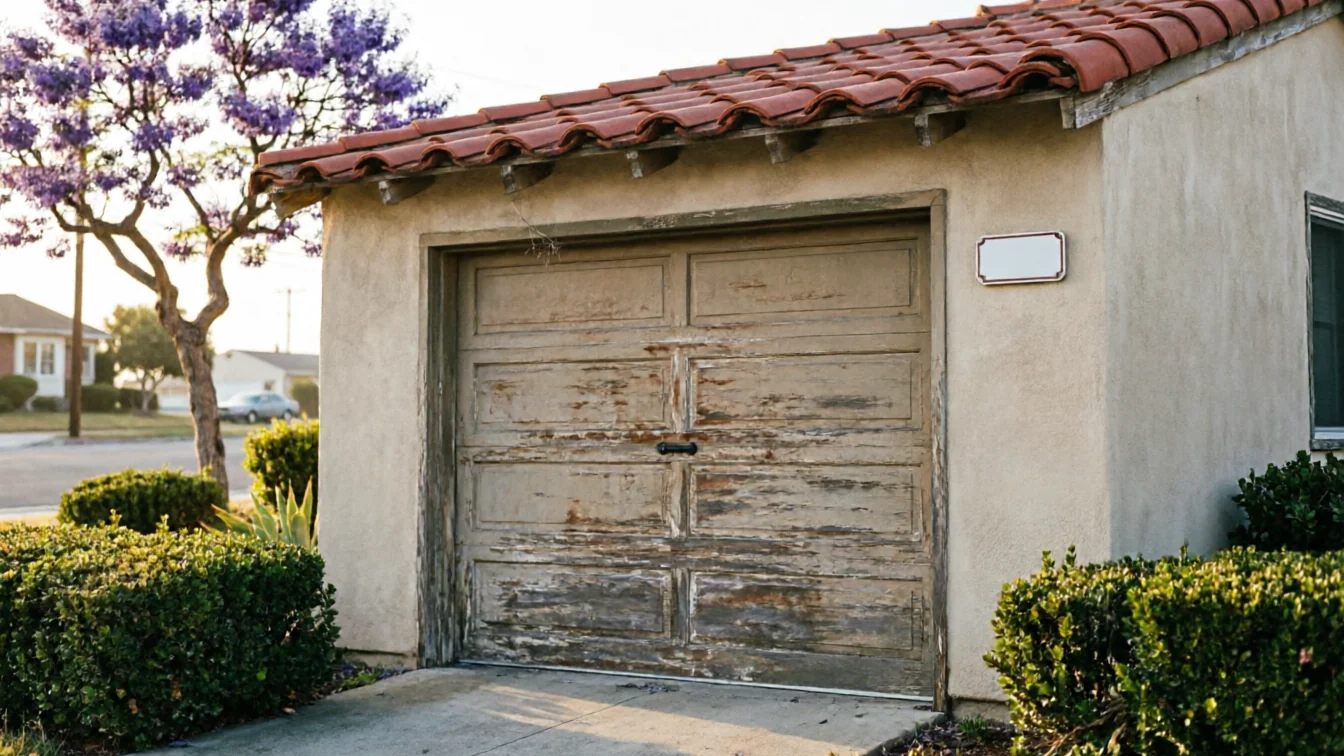
Start with the panels themselves, not the hardware. On a door from the 1963-1995 window, check the bottom panel for rust-through or wood rot at the base - that's structural, not cosmetic, and it usually means replacement. Next, look at the track. If it's bent or the door walks sideways when it runs, that's often fixable with realignment, not a new door. Check the springs: if you can see daylight through a gap in a torsion spring coil, or the spring has stretched unevenly, it's done, but a spring swap on an otherwise sound door is one of the cheaper repairs there is. Rollers are usually the tell. Nylon rollers from this era have often been replaced once already; steel rollers that are original are probably grinding, not rolling, and that wear transfers into the track over time. Last, test the opener's reverse safety function by hand. If it doesn't reverse on contact, that's not a maintenance item - it's a safety issue regardless of what else is going on with the door.
What Local Conditions Do
Auburn sits in a moderate heat climate band, not the extreme swings some regions deal with, so we don't see the rapid metal fatigue or warping that comes from big daily temperature spikes. That's good news for door panels generally. But moderate heat still means steady thermal cycling day after day for 40-plus years on a house built in the 1980s, and that adds up differently than acute damage does - it's slow loosening of fasteners, gradual lubricant breakdown in bearings, and hardened grease in tracks that never get the kind of sharp shock that forces an owner to notice. In practice, this means a lot of Auburn garage doors fail quietly. Nothing breaks outright; the door just gets stiffer, louder, and slower to respond to the opener over a period of years, until someone finally flags it as "it's always done that" instead of catching the wear early. If your door has been making noise for longer than you can remember, that's consistent with the slow-wear pattern we see on original hardware in this area, not a sign of one specific event.
The Common Mistake
The mistake we see most in houses from this 1963-1995 stock is replacing the opener and assuming that fixes the door. An opener upgrade doesn't touch worn rollers, a stretched spring, or a track that's out of square, and if those parts are still original, a stronger motor just forces a tired door to work harder. The other direction is just as common: owners write off a door entirely because it's noisy or slow, when the panels and track are fine and the real issue is a $30 roller job. We won't tell you every old door is worth saving - a bottom panel that's rotted through or rusted at the seams usually isn't, and once a steel track is bent in more than one place, straightening it is often false economy compared to a new one. The honest answer depends on what's actually failing, which is why checking panel condition, track alignment, and spring wear separately matters more than going by the door's age alone.
Questions
Common questions
My garage door is original to the house, built sometime in the 1980s. Is it too old to fix?
Age alone doesn't tell you much. A lot of Auburn houses from the 1963-1995 build era still have structurally sound steel panels; it's usually the springs, rollers, or track that have worn out, not the door itself. Check the bottom panel for rust or rot first - that's the part that actually ages out.
Why does my garage door seem to get worse gradually instead of breaking all at once?
Auburn's moderate heat climate doesn't put doors through the sharp temperature swings that cause sudden metal fatigue. Instead, original hardware wears slowly over decades - fasteners loosen, lubricant breaks down, bearings dry out. That shows up as gradual noise and stiffness rather than one dramatic failure.
Should I replace the opener or the whole door?
Those are separate decisions. A new opener won't fix a worn roller, a stretched spring, or a track that's out of alignment. If your door is original to a 1980s-era Auburn house, check panels, track, and springs individually before deciding whether the door or just the opener needs work.
Recommendation
You Might Also Like
More garage door guides for Auburn homeowners.
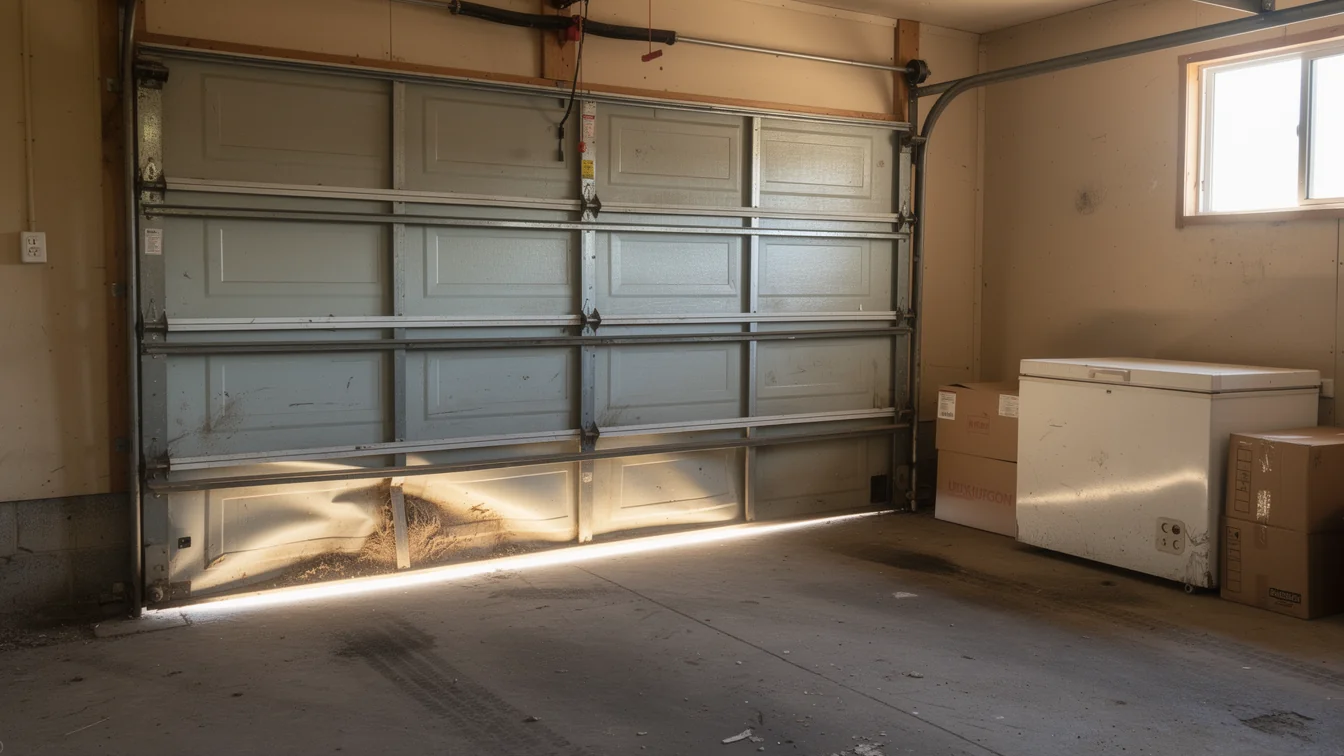
What Auburn's 1963-1995 Housing Stock Means for Your Garage Door
Auburn homes built 1963-1995 carry original hardware and springs rated for a different era.
Read guide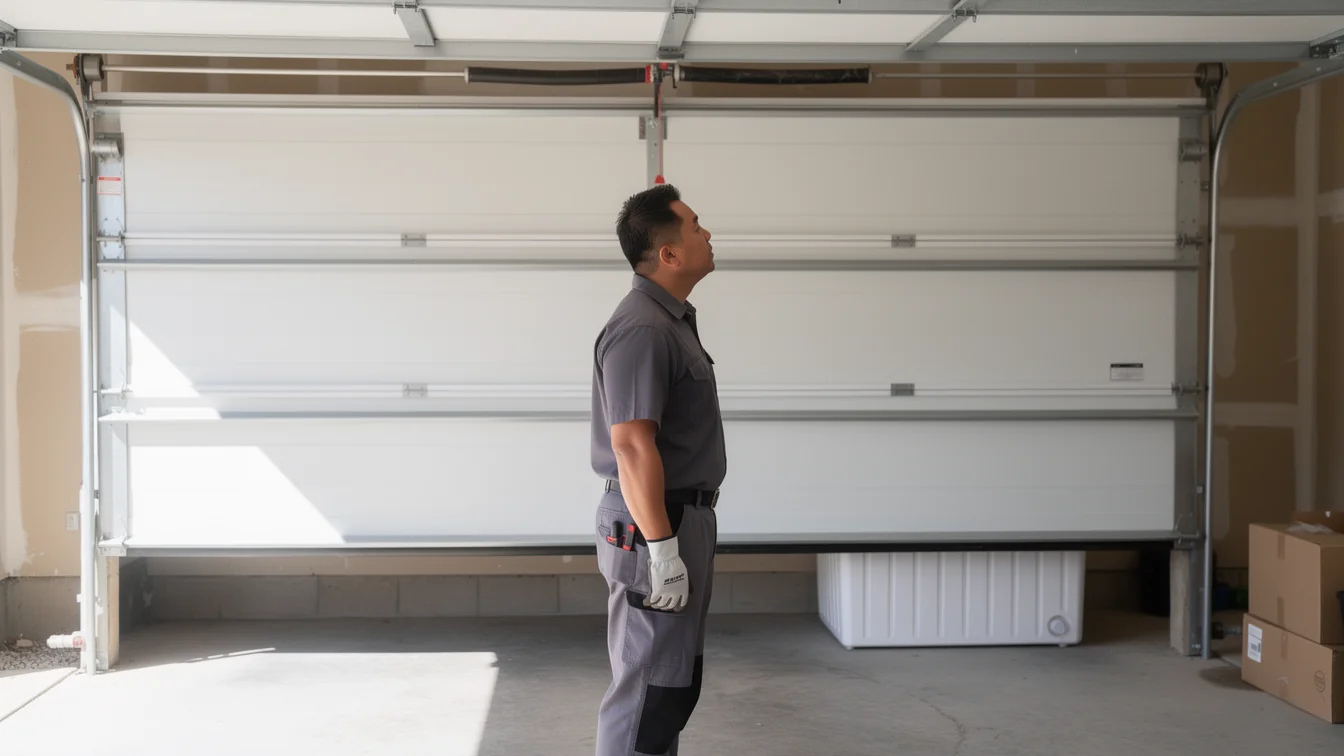
What Your Garage Door Is Trying to Tell You
Most Auburn garage doors date to the 1963-1995 building boom.
Read guide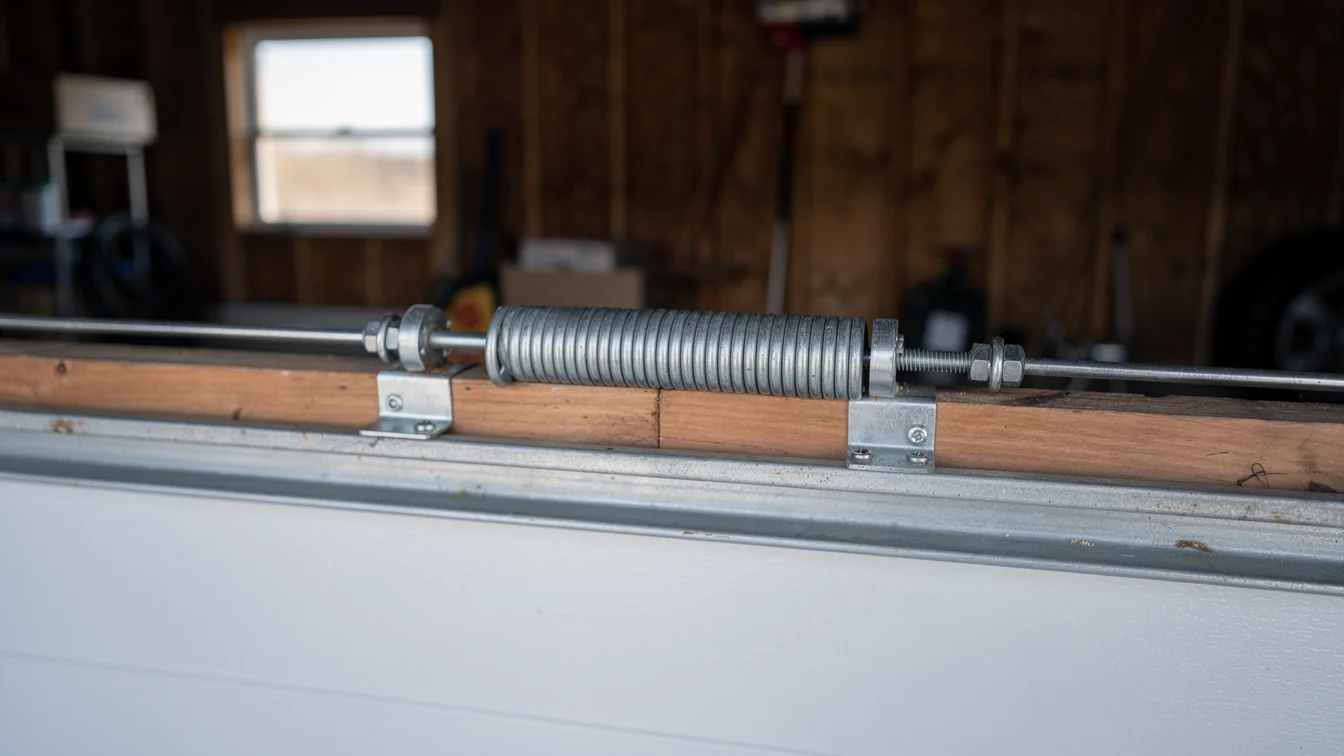
Why Auburn's Older Torsion Springs Fail Without Warning
Most Auburn homes were built 1963-1995, and original torsion springs on that stock are aging out.
Read guideReady when you are
Need a garage door sorted in Auburn?
Auburn Garage Door Pros repairs and installs garage doors, springs and openers in Auburn, CA and the surrounding area.