
Blog
What Your Garage Door Is Trying to Tell You
Most Auburn garage doors date to the 1963-1995 building boom. Here's what grinding, popping, and banging sounds mean on hardware that old, and when to worry.
The Problem
Call us about a noise and the first thing we ask is when the house was built, because in this area that answer is almost always somewhere between 1963 and 1995, with the bulk of the stock going up around 1981. That matters because a door is a mechanical system, and a system installed during that run is now 30 to 60 years into service life on at least its second or third set of rollers, if the rollers were ever swapped at all. A noise on a door that age is rarely random. It's usually the specific sound of one specific part finishing its life. The trouble is homeowners hear "grinding" or "popping" and assume it's all the same problem, so they either ignore it until the door won't open, or they replace the opener when the real issue was a $40 roller. Across the 17 named areas we work in, from North Auburn out through Newcastle and Penryn, the housing stock is consistent enough that the same handful of noises show up on the same handful of parts, over and over.
What to Check
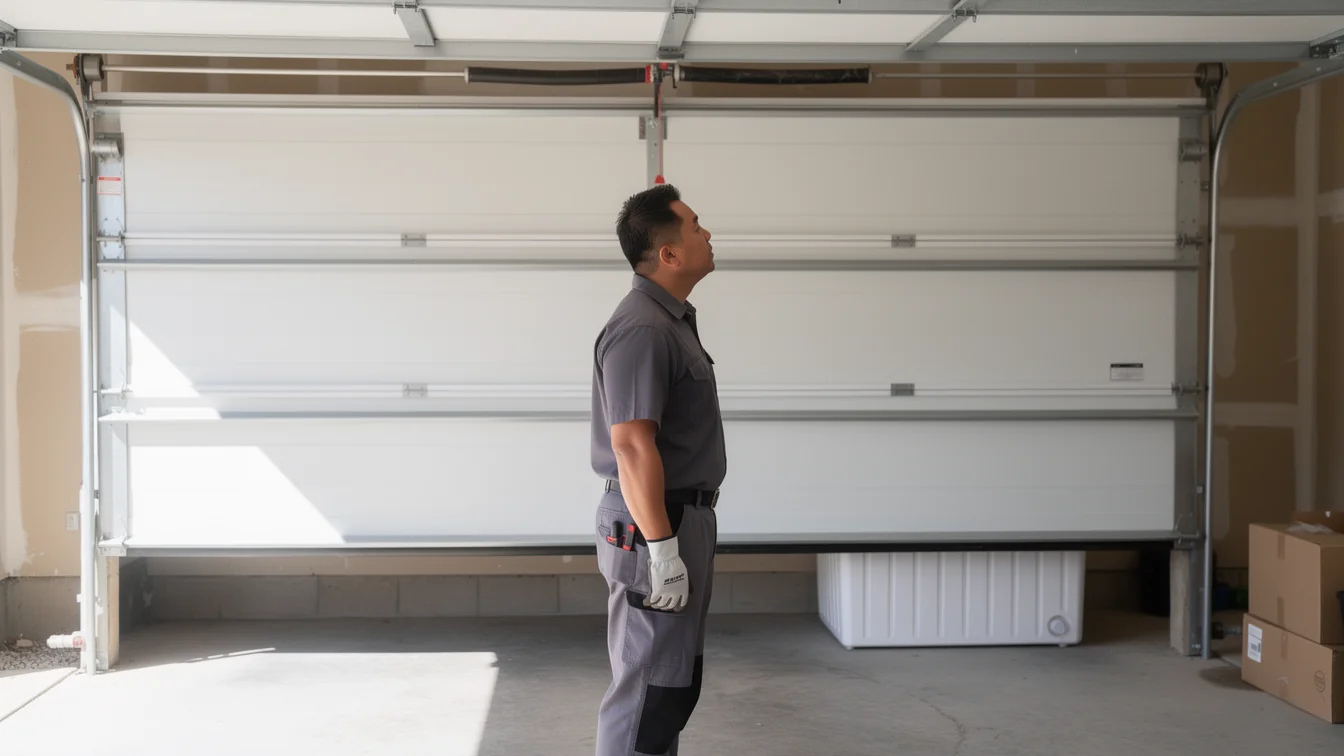
A rhythmic thump every few feet as the door travels is almost always a flat spot on a roller, common on original steel rollers from the 1980s-90s builds that were never upgraded to nylon. A sharp bang when the door closes is usually a cable or spring, and on a door this old, that spring has likely never been replaced once. A high-pitched squeal is dry hinges or rollers, the cheapest fix there is, and if that's all it turns out to be, we'll tell you so rather than sell you more. A grinding sound from the opener itself, not the track, often means a stripped gear in units that have been running two or three decades. Check the track for visible gaps or bent rail before you touch anything else. If the noise only happens on the way up, suspect the spring tension. If it only happens on the way down, suspect the rollers or hinges.
What Local Conditions Do
This area sits in a moderate heat climate band, not the extreme swings you'd get somewhere with hard freezes or desert highs. That's good news for the metal hardware itself - less of the expansion-and-contraction stress that cracks welds or warps track in harsher zones. But moderate heat still dries out lubricant on hinges and rollers faster than owners expect, especially on doors installed before synthetic greases were standard on 1980s and 90s builds. So the noise pattern here tends to be wear-driven rather than weather-driven: parts that have simply run their mileage, not parts that failed because of a freeze-thaw cycle or a storm. That's actually a point in Auburn's favor - the hardware itself tends to fail predictably, on schedule, rather than catastrophically from a single bad season.
The Common Mistake
The mistake we see most is treating the opener as the problem every time, because the opener is the part that's loud and visible. On houses built in that 1963-1995 range, the opener is often not the original unit - it's been swapped once already - while the spring, cables, and track hardware are still the originals from construction. So people replace a 10-year-old opener motor to fix a noise that's actually coming from a 40-year-old spring. We'll be honest: if your door is making noise and the opener was installed recently, start by looking at the spring and rollers first, not the motor. And if the track itself is bent or badly rusted on a door this old, sometimes replacing the door is the better call than chasing noises on it part by part - we'll tell you when we think that's the case instead of running the repair bill up first.
Questions
Common questions
My garage door bangs loudly when it closes - is that dangerous?
It can be. A sharp bang on close is often a worn cable or a spring losing tension, and on hardware from the 1963-1995 building era that's run decades without replacement, that's a real possibility. Don't keep using the door under power until it's checked - a failing spring under tension is one of the few garage door problems that can actually hurt someone.
Is the noise worse because of our climate here?
Not really. This area sits in a moderate heat band, so the hardware isn't getting the hard freeze-thaw stress that cracks welds elsewhere. Most of the noise we find on local doors is straightforward age and mileage on original 1980s-90s parts, not weather damage.
Should I just replace the opener if it's loud?
Not automatically. On a lot of houses in this area, the opener's already been replaced once while the spring and rollers are still original to construction. A loud opener motor is often reacting to resistance from worn rollers or a tired spring elsewhere in the system, not failing on its own.
Recommendation
You Might Also Like
More garage door guides for Auburn homeowners.
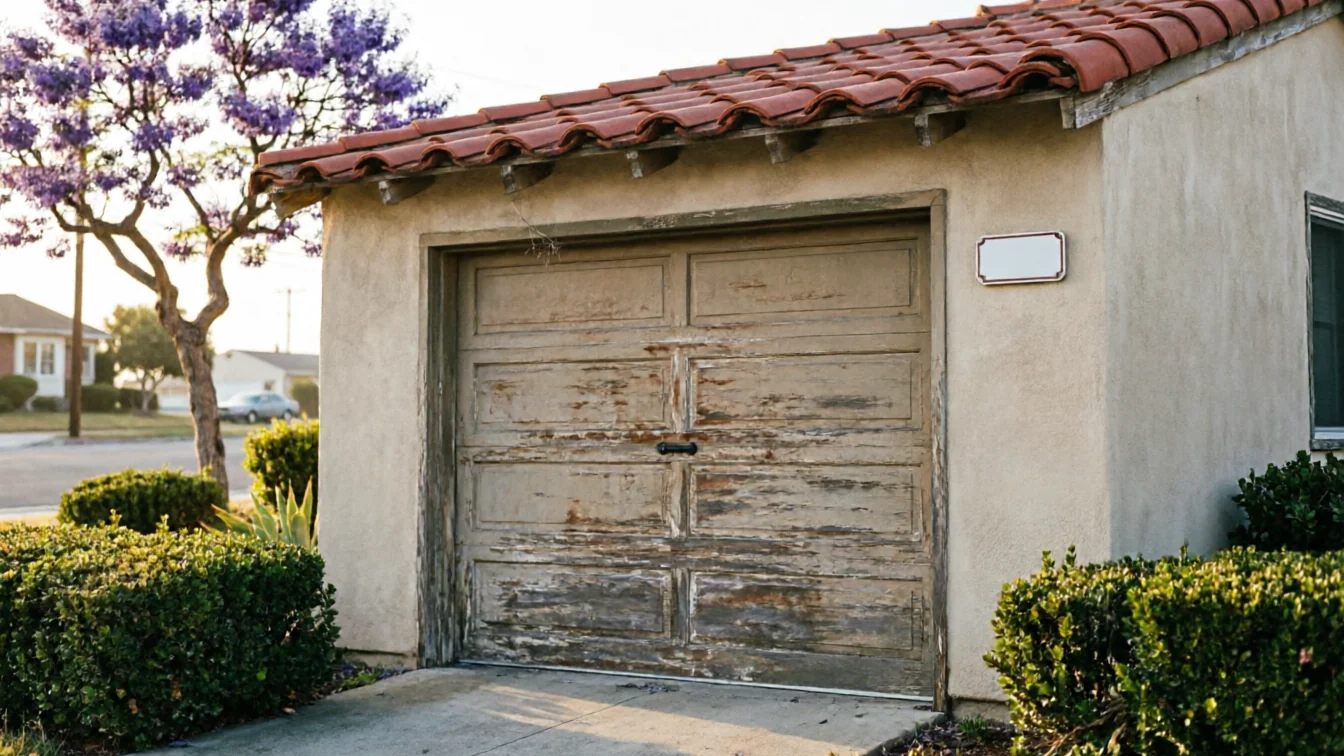
Is Your Auburn Garage Door Worth Repairing?
Auburn homes mostly date 1963-1995.
Read guide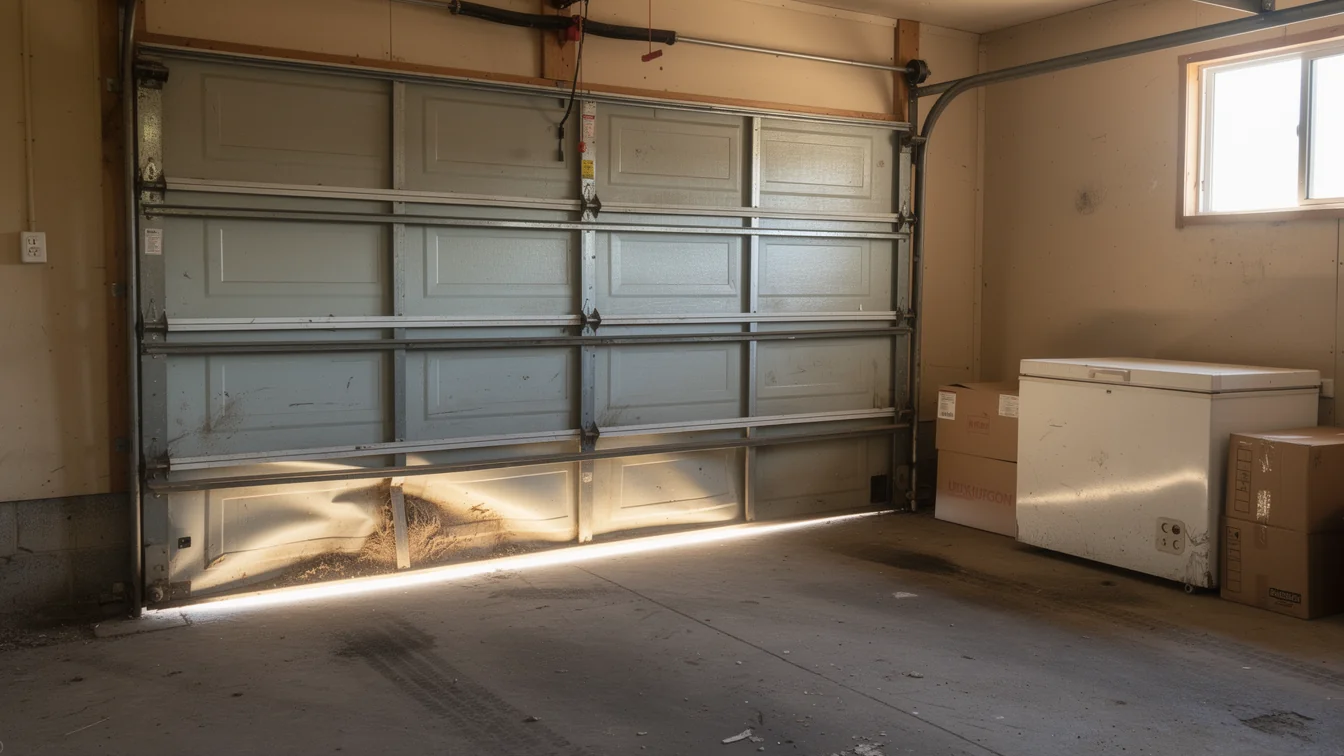
What Auburn's 1963-1995 Housing Stock Means for Your Garage Door
Auburn homes built 1963-1995 carry original hardware and springs rated for a different era.
Read guide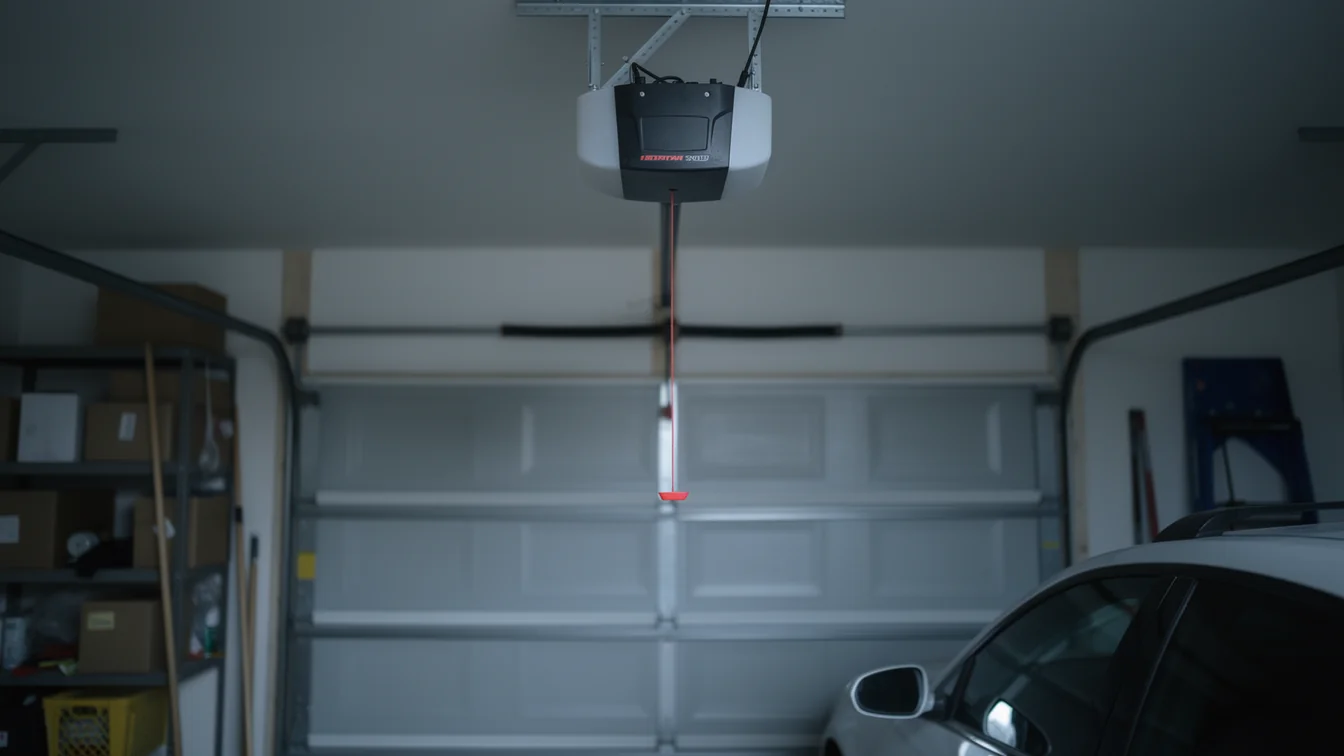
When the Power Cuts, Your Opener in Auburn Is On Its Own
Auburn's 1963-1995 housing stock runs older openers without battery backup.
Read guideReady when you are
Need a garage door sorted in Auburn?
Auburn Garage Door Pros repairs and installs garage doors, springs and openers in Auburn, CA and the surrounding area.