
Blog
When the Power Cuts, Your Opener in Auburn Is On Its Own
Auburn's 1963-1995 housing stock runs older openers without battery backup. Here's what local heat and grid patterns mean for your garage door during a power cut.
The Problem
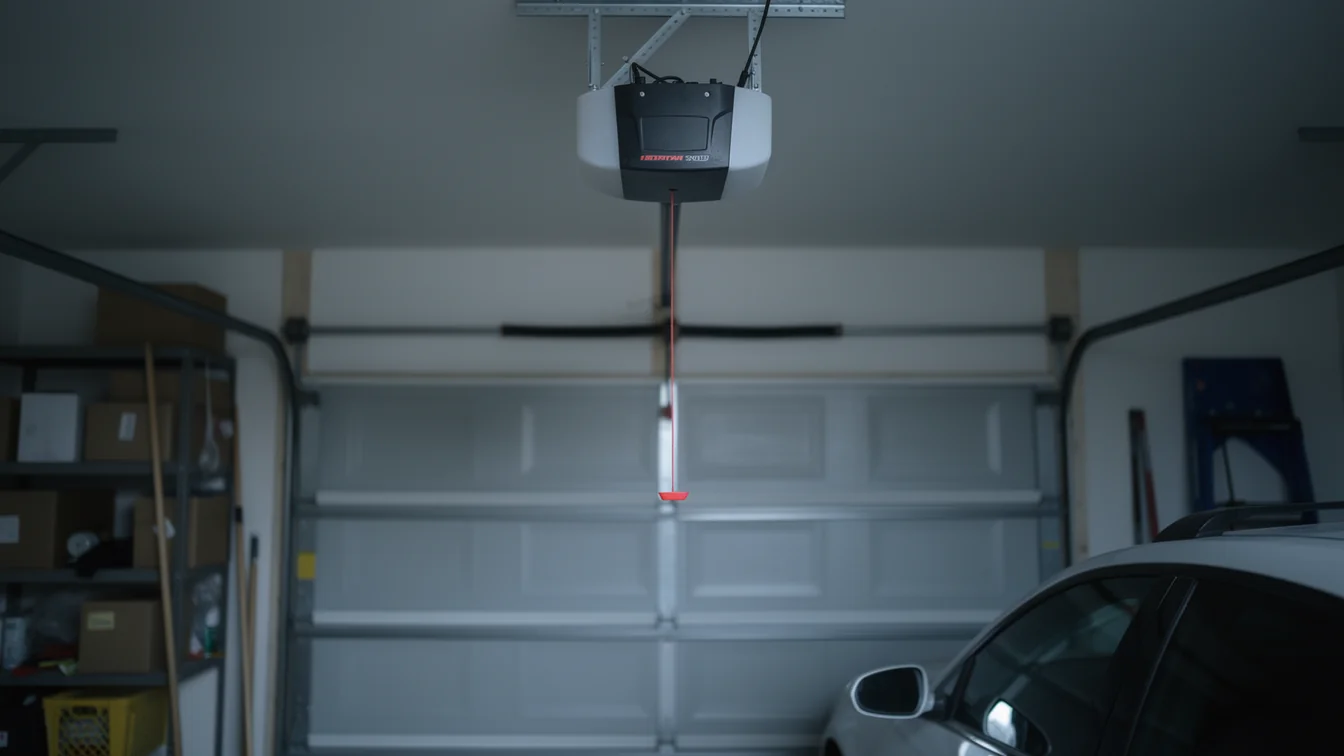
Most houses on this side of Auburn went up between 1963 and 1995, with the median landing around 1981, so the opener bolted to the ceiling is often not the original unit but a straight swap-in replacement from whenever the first one died. Either way, it's old enough that it predates battery backup as a standard feature. When the power goes out, that opener just stops. No chime, no warning light, nothing. The door sits wherever it was when the juice cut, and if that's halfway up, you've got an open garage until someone manually releases the trolley and muscles the door down by hand.
This isn't a hypothetical. Across the 17 named pockets of 1980s and 90s stock in this area, the chain-drive opener with a plug-in transformer and no backup battery is still the standard setup. Nobody thinks about it until the lights flicker and the door won't move. The fix isn't complicated, but most owners don't know they need it until they're standing in the driveway at 6 a.m. trying to get the car out.
What to Check
Start with the opener itself. Look at the motor housing for a date code or model sticker - if it doesn't mention a battery backup or say "DC" drive, it almost certainly runs on wall power alone. Next, find the manual release cord, usually a red handle hanging from a trolley rail. Pull it, and the door should move freely by hand; if it binds or feels heavy, that's a spring or track issue, not a power issue, and it's worth a separate look.
Check the wall station too. Older units wired straight to a single outlet with no surge protection are common in houses built before openers came with dedicated circuits as a matter of course. If your breaker panel is original to a house from the 1963-1995 range, a dedicated 120V circuit for the opener may not exist at all, which limits what backup options are worth installing without an electrician involved first.
What Local Conditions Do
Auburn's climate band is classed as moderate heat, not the kind of extreme swings that fry circuit boards outright, but summer heat load still pushes local grid demand, and that's exactly when planned and unplanned outages tend to land. A moderate heat profile means the opener itself isn't baking in a way that destroys electronics fast - this isn't a desert climate eating through capacitors every few summers. The bigger factor is timing: outages cluster on the hottest afternoons and evenings, right when you're most likely to be pulling in and out of the garage and least willing to deal with a manual release.
With roughly 19,000 owner-occupied houses across the service area, a large share of them are sitting on an opener older than the warranty period on anything sold today. That's not a climate failure, it's just equipment age meeting a predictable seasonal outage pattern. The door doesn't know the difference between a heat-driven outage and any other kind - it just stops.
The Common Mistake
The mistake we see most is owners assuming a battery backup is something you buy only after the first outage leaves them stuck. By then it's usually a Saturday afternoon call, not a planned upgrade. At a median household income of $99,576, most owners here can afford a battery backup unit or a newer opener that includes one, but few check for it until the power's already out and the door's stuck at waist height.
The other mistake is treating the manual release as a last resort instead of a known skill. If you've never pulled that red cord before an outage happens, you're learning how a 40-pound door behaves under your own strength for the first time in the dark. We're not going to pretend every opener needs replacing - if yours runs fine and you just want backup power, a battery module retrofits most chain and belt drives without tearing out the whole unit. Replacement only makes sense once the motor or circuit board itself is failing, not just the power source.
Questions
Common questions
Does my garage door opener need a battery backup if I rarely lose power?
If your opener is original to a house built in the 1963-1995 range common around Auburn, it likely has no backup at all, meaning any outage - rare or not - leaves the door wherever it stopped. A battery module is a one-time retrofit, not a recurring cost, so it's worth having even if outages are infrequent.
Can I open my garage door by hand during a power cut?
Yes, nearly every opener has a manual release cord, usually red, hanging from the trolley on the rail. Pulling it disconnects the door from the motor so you can lift it by hand. Test this before an outage happens, not during one, since torsion springs that need adjustment can make the door heavier than expected.
Will Auburn's heat damage my opener's electronics?
Auburn sits in a moderate heat climate band, not an extreme one, so the opener's circuit board isn't under the kind of thermal stress that causes fast electronic failure. The bigger issue is that summer heat drives grid demand, which is when outages are more likely - the opener failing is about the power supply, not the heat itself.
Recommendation
You Might Also Like
More garage door guides for Auburn homeowners.
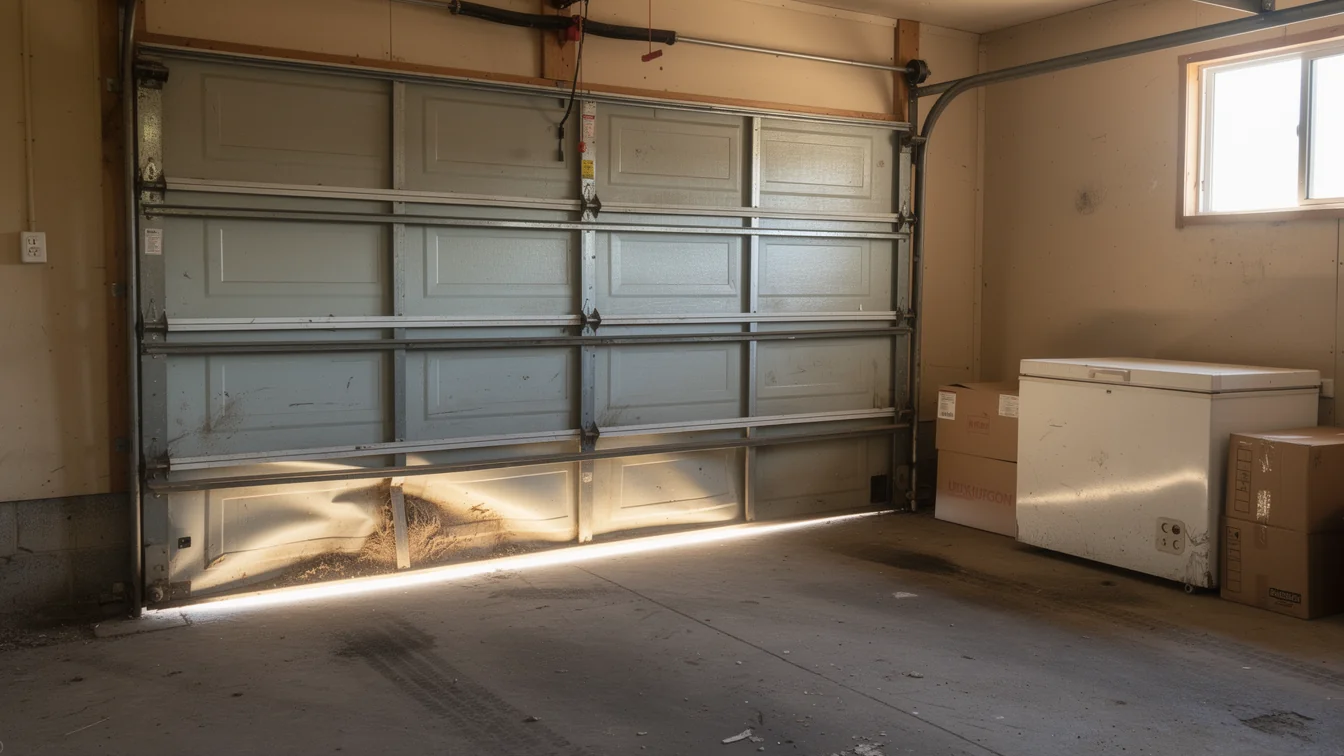
What Auburn's 1963-1995 Housing Stock Means for Your Garage Door
Auburn homes built 1963-1995 carry original hardware and springs rated for a different era.
Read guide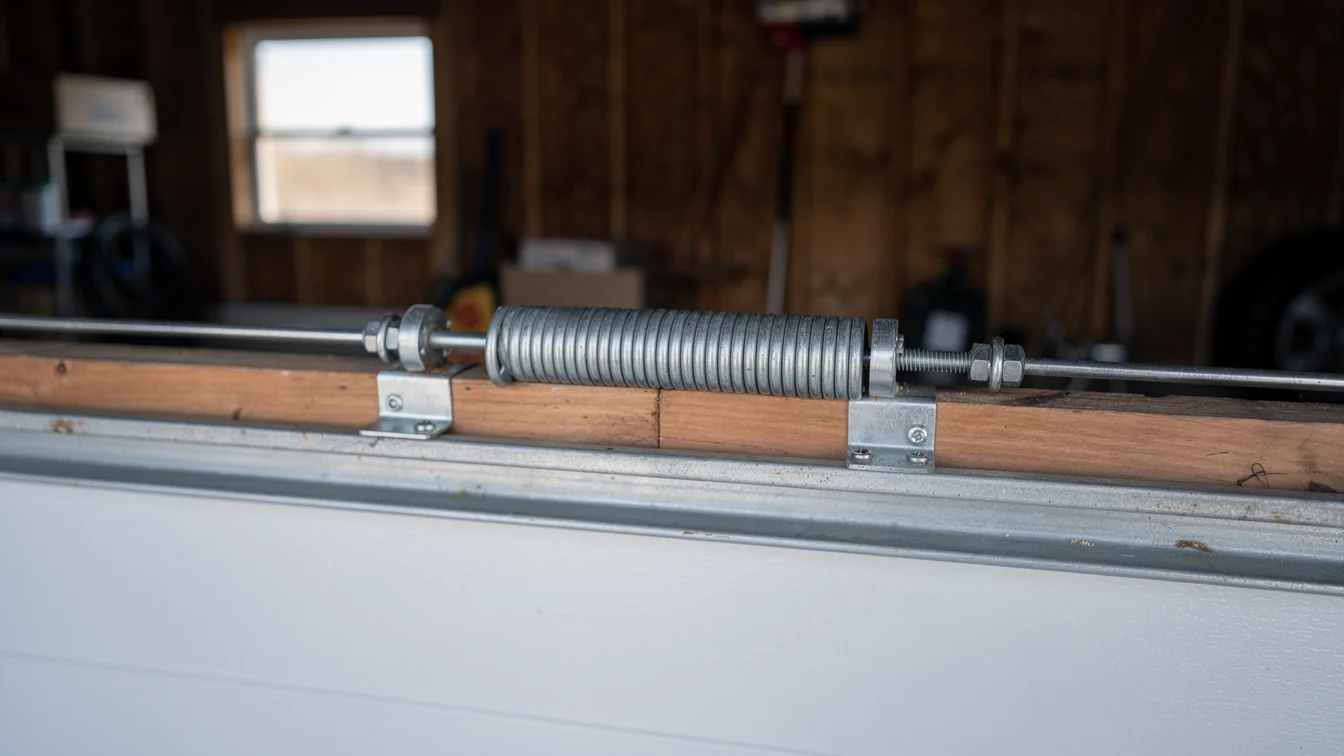
Why Auburn's Older Torsion Springs Fail Without Warning
Most Auburn homes were built 1963-1995, and original torsion springs on that stock are aging out.
Read guide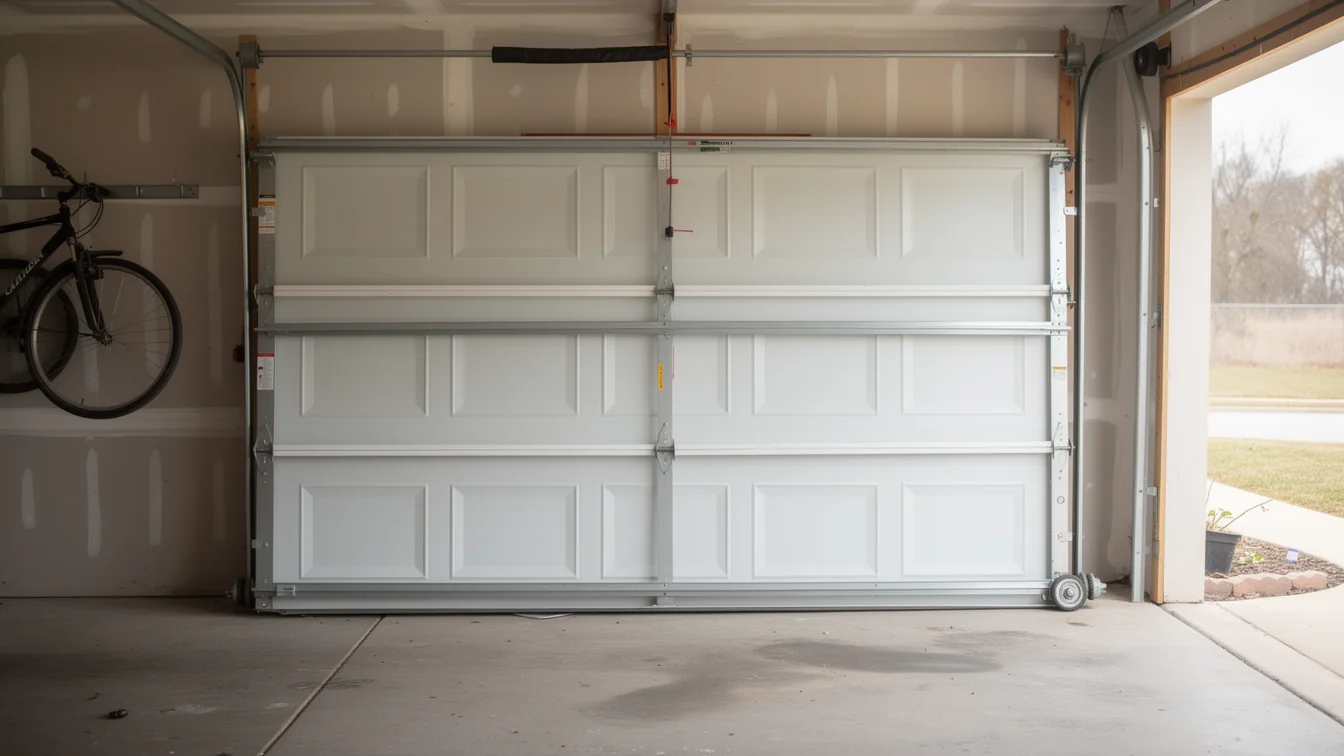
Why a Door Goes Off Track in Auburn
Auburn's 1963-1995 housing stock and moderate heat band wear differently on garage door tracks.
Read guideReady when you are
Need a garage door sorted in Auburn?
Auburn Garage Door Pros repairs and installs garage doors, springs and openers in Auburn, CA and the surrounding area.